


Red Dog is among the rare casino card games a total novice can pick up in one session without missing a genuine decision point. I have reviewed the game thoroughly, and its structure is unusually clean: two cards create a range, and a third card decides whether that range holds. For players in Germany, it offers a gentler alternative to blackjack or poker while still encouraging raise discipline. In this guide I describe the table, the spread, the payouts, and the math. I also look at how the game plays at Lizaro Casino for German players.
What Is Red Dog and Why It Succeeds
Red Dog is a financial-style card game, but unlike blackjack the player is not trying to beat a dealer hand. The objective is more specific: determine whether a third card will fall between two previously drawn cards. This narrow focus is exactly why the game works for beginners. There are no hand rankings, no bluffing, and no multi-street decisions. I consider the pacing somewhat slower than a slot but faster than a full table-game round. German online casino audiences often appreciate this low-complexity game when they seek a calm break from more demanding titles.
Typical Betting Decisions and Optimal Raise Moments
The Raise Option

The raise is an extra wager placed after the first two cards have shown a spread. It is normally limited to the size of the original bet, casino lizaro, though table rules can vary. I use the raise when the gap is wide enough that the probability of a winning third card is stronger than the payout table suggests. Under standard even-money payouts, that threshold is usually a spread of seven or more ranks. This turns Red Dog from a simple guess into a small decision exercise, but it remains much gentler than blackjack.
Better to Be Cautious
Small spreads create a more tempting payout but a much lower probability of success. A spread of one pays richly, but only one rank can save the hand. I generally avoid raising on the narrowest spreads unless I am playing a very small session stake and accept the variance. The same logic applies when I see a spread of two with a high payout; the house edge on that decision can be significant. The calmer approach is to raise selectively on wider gaps and otherwise play the original bet. A raise there is closer to a lottery ticket than a measured bet.
Errors Beginners Must Steer Clear Of
One frequent mistake is viewing Red Dog as blackjack and waiting for a solid hand. In this game the player has no hand, and the only meaningful object is the spread. Another mistake is raising reflexively every time a spread appears, particularly on small gaps with large payouts. I have seen beginners chase the five-to-one spread of one and lose several consecutive rounds because there is only one winning rank. The better habit is to detach the excitement of a high payout from the expectation of the raise. That separation is more important than remembering every payout percentage.
Another error is ignoring bankroll pacing. Red Dog rounds are fast, and the ease of play can encourage overly frequent bets at the table maximum. I suggest setting a fixed number of base bets before starting and holding raises small relative to the total session budget. It is also easy to lose track of pushes when playing quickly. A push is not a loss, but it still takes up time and can skew your sense of how much you have risked. A calm session rhythm helps prevent that trap. If you realize that your session has become automatic, step away or lower the bet.
How a Round Unfolds in Practice
Dealing the First Two Cards
Following an initial wager, the player watches the dealer set two cards face up. Those two cards shape the rest of the round. If they are a pair, the dealer draws a third card immediately, and a matching rank usually pays eleven to one while any other card pushes. If they are consecutive, the bet generally pushes and the round ends. If there is a spread of at least one, the player is given a choice: keep the original wager or raise. I find this stage is where the game reveals its strategic identity, because the player must evaluate a narrow probability window before the final card is drawn.
The Third Card and Result
If a spread is present and the player has placed a raise or declined it, the dealer pulls a third card. If that card falls strictly between the first two ranks, the player is victorious according to the payout table. If it falls outside the range or matches one of the original ranks, the player forfeits. The third-card moment is quick, which is why Red Dog sessions can move at a steady rhythm. There are no split hands, no doubles after a hit, and no dealer qualification, just one card against a defined range.
Enjoying Red Dog in Lizaro Casino in Germany
Access and Game Variants
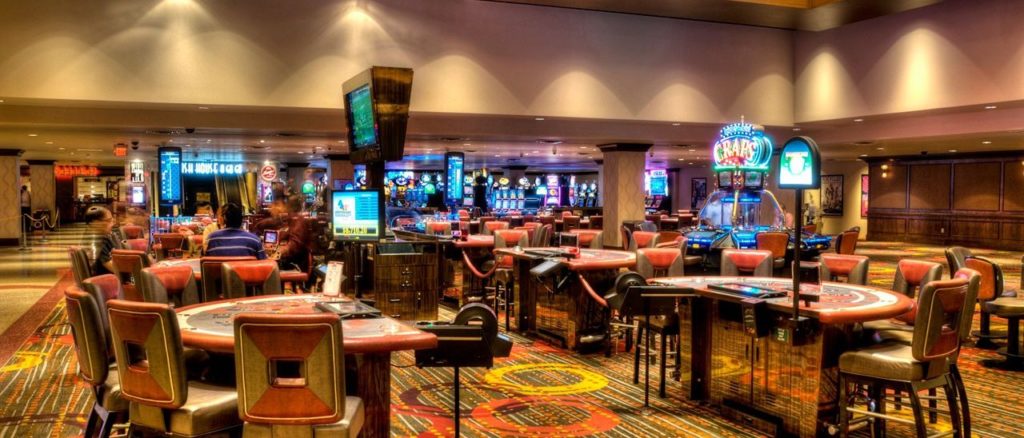
At Lizaro Casino, German players can usually find Red Dog within the table games or card games section next to more familiar titles. The platform is tailored for the German market, so limits are typically displayed in euros and the rules are understandable enough for a first session. The digital presentation aids because the spread and payout are often shown automatically, which takes away the need to calculate everything by hand. That does not affect the strategy, but it does make the game easier to learn. The pace is kept controlled by the player rather than a crowded table.
Bankroll and Session Tips for German Players
German players should treat Red Dog with a small portion of a larger casino budget, not as a main profit engine. I advise starting with base bets that allow at least twenty to thirty rounds, so the variance of narrow spreads does not finish the session too early. The euro-denominated table limits at Lizaro Casino make this easy to adjust. I also suggest setting a time limit, because the fast round structure can obscure the line between a short break and a long session. Red Dog functions best as a focused side game. A short time cap and a fixed loss limit are effective.
Comprehending the Difference and Winnings
The way the Difference Gets Calculated
The spread is just the count of levels that are present between the two shown cards. Sequential cards, like a nine and a ten, create a difference of zero and usually result in a push. A three and a six produce a difference of two because merely the four and five sit between them. Newcomers often forget to subtract one when calculating; the distance between five and eight is two levels, not three. The gap is the key number because it determines whether a raise is permitted and what a victorious third card rewards.
Payment System for Every Difference
The reward is dependent on how infrequent the successful event is. A difference of one pays the maximum, often five to one, because merely one rank can win. A difference of two commonly rewards four to one, and a difference of three typically gives two to one. Spreads of four or more typically pay even money. I view these payouts as a likelihood ladder rather than a basic reward table. The larger the gap, the more likely the third card lands inside, so the reduced payout is warranted. That relationship also explains why a difference of seven or more is the standard limit for a raise.
The Table Design and Card Ranks
Understanding the Felt
The majority of Red Dog layouts feature a betting circle in front the player, a discard area, and at times a payout indicator for the spread. The dealer’s area is minimal as there is no dealer hand to play. I consider this visually cleaner than many card games as the action revolves around only three cards. At Lizaro Casino, the digital version generally maintains the same structure, with bet controls below the felt and the current spread shown on screen. The table might use one or more standard 52-card decks, but for beginners rank recognition matters more than deck count.
Card Ranks That Matter
Card values adhere to standard casino ranking: ace is low in most versions, then two through ten, jack, queen, and king. Suits do not matter, and there is no weighting for color. Only the number of possible ranks between the first two cards matters. For example, a four and a seven offer room for a five or a six. I advise treating all suits as equal and using rank distance as the core language of the game. Red Dog does not reward suit memory. This eliminates the confusion that beginners sometimes carry with them from poker or bridge.
Chances, House Edge and the Calculations Behind Red Dog
House Edge Under Common Rules
The casino advantage in Red Dog depends heavily on the returns and on if the player raises correctly. Under usual rules, the advantage on the initial bet is modest for a table card game, but the bet increase decision changes the real edge according to strategy. I treat Red Dog as a contest of average variance instead of a game with a powerful skill advantage. The margin is not significantly reduced by sophisticated play, because the choices are few. Still, betting up only on good spreads aids contain losses. For practical play, I focus less on specific edge figures and more on avoiding clearly negative raises. hier weiterlesen
Why Gap Size Determines Expectation
The gap size is the chief driver of expectation in a hand. A big spread creates a good chance of a winning third card, but the casino pays only 1-to-1. A tight spread pays more, but the likelihood of achieving it is low. I think of each spread as its own bet rather than part of one standard game. That outlook makes the payout table simpler to evaluate. For a novice, the most helpful piece of mathematics is straightforward: high payouts are uncommon, and large gaps are common but modest. A seven-step spread is not spectacular, but it is the type of situation where the chances fit with the up-bet.
Final Thoughts
Red Dog succeeds because it simplifies card play down to a one inquiry: will the third card land between the first two? I view that straightforwardness attractive for beginners in Germany who desire a genuine casino vibe without the complication of blackjack or the total randomness of a slot. The game rewards calm raise decisions and discourages reflexive bets on narrow spreads. I suggest learning the spread, checking the payout, and starting with small base bets at Lizaro Casino. That strategy ensures the session controlled and gives the game room to breathe.